The first pilot test of a hydrogen-powered kiln for ceramic frit production is now underway at the Esmalglass-Itaca facility in Villareal. It forms part of the H2frit project – which is being promoted by ANFFECC (the Spanish ceramic frit, glaze and colour producers’ association) and financed by the Generalitat Valenciana – that aims to assess the technical feasibility of replacing natural gas with hydrogen as a fuel for ceramic frit melting, supporting the sector’s efforts toward decarbonisation.
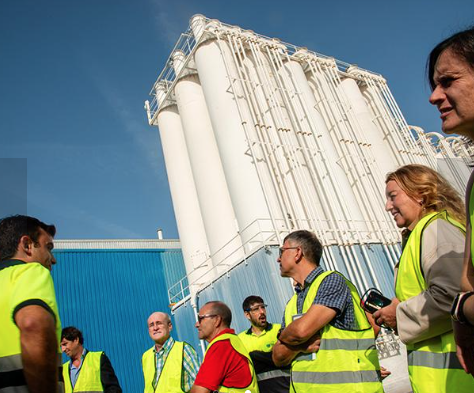
The three-year project involves a consortium of consisting of bp, Carburos Metálicos, ITC (Institute of Ceramic Technology), and Grupo Altadia; Esmalglass-Itaca’s parent group.
The hydrogen plant, successfully installed last June at the frit plant operated by Esmalglass-Itaca, features two bays housing the external hydrogen storage and refuelling platforms, control panels, and connection/supply pipes fitted with pressure regulators designed by Carburos Metálicos.
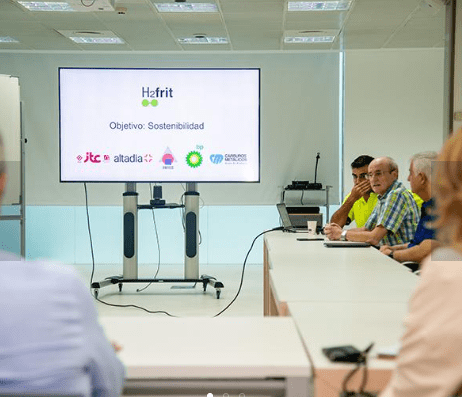
Testing will take place in a pilot oxyfuel kiln, concentrating on the technological adjustments required for the use of hydrogen. During testing, hydrogen will be introduced in different percentages to determine the necessary technical adjustments and assess their feasibility with the aim of maximising hydrogen use in frit production and significantly reducing CO₂ emissions into the atmosphere.

Esmalglass-Itaca’s participation in the H2frit project aligns with the Altadia Group’s decarbonisation plan aimed at achieving zero emissions by 2050, based on initial investment of over €7 million. The short-term goals include a 14% reduction in emissions by 2025 compared to 2021 levels, increasing to 37% by 2030.
The plan includes installing 24,000 photovoltaic panels on the roofs of Esmalglass, Itaca and Fritta’s four factories, which will provide more than 18% of their electricity needs and prevent approximately 3,000 tonnes of CO2 emissions annually.
SOURCE: https://ceramicworldweb.com/

 Transformational Tile Technology